
Registering a car in California is a crucial step for any vehicle owner, ensuring legal compliance and providing proof of ownership. However, the process can be complex, leaving many drivers unsure where to begin. This article serves as your comprehensive guide, offering expert insights on navigating the intricate steps involved. We’ll demystify the procedures, emphasizing the importance of accurate documentation and a thorough VIN verifier to ensure a seamless experience. By the end, you’ll be equipped with the knowledge to register your vehicle confidently, adhering to California’s strict regulations.
- Prepare Necessary Documents for Car Registration
- Locate Your Vehicle's VIN (Vehicle Identification Number)
- Choose a California Department of Motor Vehicles (DMV) Office
- Submit Applications and Pass Required Inspections
- Understand Additional Fees and Taxes for Car Registration
Prepare Necessary Documents for Car Registration

Before you begin the car registration process in California, it’s crucial to prepare all the necessary documents, ensuring a smooth experience. One of the most critical steps is verifying your Vehicle Identification Number (VIN). This unique 17-character code serves as a fingerprint for your vehicle and plays a vital role in the registration procedure. Utilizing a mobile VIN verifier can greatly simplify this task, allowing you to perform a quick and accurate check on your phone or computer.
In California, you’ll need several key documents to register your car. These include proof of ownership, which can be a title or a bill of sale; a current vehicle inspection report (or an exemption from inspection); and identification proving your residency in the state. It’s essential to ensure that all these documents are up-to-date and accurate, as any discrepancies may delay the registration process. Additionally, having a valid driver’s license and proof of insurance is mandatory when submitting your application.
A mobile VIN inspection tool can aid in this preparation by allowing you to check your vehicle’s history, including any outstanding recalls or issues, directly from your mobile device. This modern approach streamlines the traditional process of visiting a DMV office for VIN verification. By combining these digital solutions with proper documentation, California residents can efficiently navigate the car registration process, ultimately saving time and effort.
Locate Your Vehicle's VIN (Vehicle Identification Number)
Before you begin the registration process for your car in California, it’s crucial to ensure you have the accurate Vehicle Identification Number (VIN) for your vehicle. This unique 17-character code is a critical component of your car’s identity and is essential for various administrative tasks, including registration and insurance claims. The VIN serves as a digital fingerprint, providing detailed information about the vehicle’s manufacturing specifications, history, and previous owners.
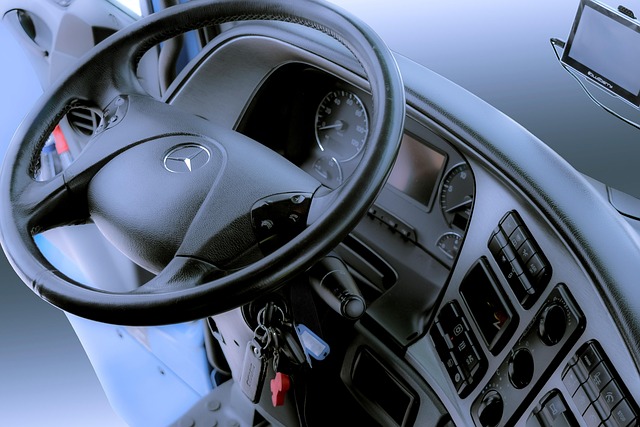
Locating your VIN involves a simple yet precise process. Most cars manufactured after 1981 will have their VIN clearly displayed on a plate attached to the driver’s side door frame or the engine compartment. This is a standard practice globally and makes it an easily accessible first step in verifying your vehicle’s details. However, if you’re dealing with an older model or a specialized vehicle, alternative locations could include the glove box, under the steering wheel, or within the vehicle’s documentation. For instance, classic cars often have VINs engraved into their chassis or engine components, requiring more thorough inspection.
Mobile VIN verification and inspection services have become increasingly popular, offering convenience and accessibility to vehicle owners. These services utilize advanced technology to cross-reference the provided VIN with global databases, ensuring its authenticity and providing instant access to a vehicle’s history. This method is particularly useful for those who prefer not to visit a dealership or DMV, saving time and effort while maintaining the accuracy of the process. By employing these modern tools, you can confidently locate your VIN and navigate California’s registration process with ease.
Choose a California Department of Motor Vehicles (DMV) Office
Choosing the right California Department of Motor Vehicles (DMV) office is a crucial step when registering your car. With numerous locations across the state, each offering various services, selecting the optimal DMV branch can streamline the registration process and potentially save you time and effort. Consider factors such as proximity, service availability, and specializations when making your decision.
For instance, if you reside in a densely populated urban area like Los Angeles or San Francisco, consider visiting one of their specialized offices that cater specifically to vehicle registration. These offices often have higher staff-to-customer ratios, enabling quicker turnarounds for registration services, including mobile VIN inspection and verification. A mobile VIN verifier can be particularly beneficial here, as it allows for efficient on-site checks, eliminating the need for customers to travel with documents.
On the other hand, rural or suburban regions might benefit from choosing a DMV office that provides a comprehensive range of services under one roof. Such offices could offer not only registration assistance but also driver’s license renewals, title transfers, and even vehicle inspections, making them convenient one-stop shops. If available in your area, opting for a mobile VIN verification service can further enhance this experience by ensuring your vehicle’s history is accurately checked without you having to visit the office.
Ultimately, selecting the appropriate DMV branch should align with your personal circumstances and the services you require. By considering factors like location, service offerings, and specialized resources like mobile VIN inspection, you can ensure a smoother car registration process in California.
Submit Applications and Pass Required Inspections

After gathering all necessary documents and verifying your identity, the next step in registering your car in California involves submitting applications and passing required inspections. This critical phase ensures that your vehicle meets safety and environmental standards set by the state. One crucial tool in this process is a vin verifier, which can be used to confirm the authenticity of your vehicle’s unique identifier—the Vehicle Identification Number (VIN). Utilizing modern technology, such as mobile vin verification services, you can streamline this step from the convenience of your own home or garage.
To register, you’ll need to complete Form SM 4503, available through the California Department of Motor Vehicles (DMV). This form requires detailed information about your vehicle, including its make, model, year, and VIN. Here, a mobile vin inspection can prove invaluable. Many services allow you to capture your vehicle’s VIN digitally using your smartphone, eliminating potential errors during data entry and ensuring accuracy from the outset. Once submitted, the DMV will process your application and schedule an appointment for a safety and emissions inspection at one of their designated facilities or through a third-party inspector.
Passing these inspections is mandatory for vehicle registration in California. The safety inspection checks your car’s lights, brakes, horn, tires, windshield wipers, and other critical components to ensure they meet state safety standards. Meanwhile, the emissions test evaluates your vehicle’s tailpipe pollution levels, using a mobile vin inspection tool can help you prepare by identifying potential issues with your car’s exhaust system before the test. Remember, these inspections are designed to keep California’s roads safe and clean, so it’s essential to approach them with diligence and thoroughness.
Understand Additional Fees and Taxes for Car Registration

When registering your car in California, understanding additional fees and taxes is crucial to avoid unexpected costs. The process involves several variables, including vehicle type, age, and usage. For instance, standard registration fees range from $50 to $250, depending on the vehicle class. However, these base rates don’t account for optional services or specific requirements that can inflate the total. One such factor is the Environmental Fee, which supports California’s efforts to reduce greenhouse gas emissions and ranges from $35 to $175, depending on the vehicle’s smog rating.
Moreover, certain vehicles may be subject to additional fees based on their unique characteristics. Classic or vintage cars, for example, might qualify for reduced registration rates but require specific documentation and inspections. A mobile VIN inspection or verification through a service like our VIN verifier can streamline this process by providing accurate vehicle history data instantly. Similarly, high-performance or luxury vehicles often carry higher registration costs due to their environmental impact and complex manufacturing processes.
Taxes also play a significant role in car registration fees. Sales tax rates vary across California’s counties, typically ranging from 7.25% to 10%. Additionally, there may be special fees for out-of-state vehicles or those imported into the state, which can add several hundred dollars to the overall cost. To ensure you’re fully prepared, consider using a mobile VIN verifier to check vehicle specifications and potential associated costs early in the registration process. This proactive approach enables you to budget effectively and avoid surprises when registering your car in California.
By meticulously preparing your documents, locating your vehicle’s VIN verifier, selecting the appropriate California DMV office, and successfully passing inspections, you’re well on your way to registering your car efficiently. Understanding additional fees and taxes ensures a smooth process. This comprehensive guide arms you with the knowledge to navigate the registration process with confidence, ensuring a seamless transition for your vehicle into California’s legal framework.