

Registering a car in California is a vital process for any new or existing vehicle owner, ensuring legal compliance and access to public roads. However, navigating the complexities of this procedure can be daunting for many. This article serves as your comprehensive guide, empowering you with the knowledge to smoothly navigate the process. We’ll walk you through each step, from gathering essential documents to undergoing the critical DMV VIN verification process. By the end, you’ll have a clear understanding of your rights and responsibilities, ensuring a stress-free experience.
- Prepare Required Documents for Car Registration
- Visit California DMV: Step-by-Step Guide
- Conduct DMV VIN Verification: Ensuring Vehicle History
- Pay Registration Fees: Cost and Payment Methods
- Finalize Car Registration: Pick Up Your License Plate
Prepare Required Documents for Car Registration

To register a car in California, you’ll need to gather several essential documents, ensuring a smooth process. One critical step involves preparing for DMV VIN verification, which requires accurate and up-to-date information. The California Department of Motor Vehicles (DMV) necessitates this verification as part of the registration procedure, ensuring vehicle authenticity and history. Start by collecting your vehicle’s Registration Application (Form DV102), available on the DMV website or at any field office.
Among the required documents is proof of identity, such as a valid driver’s license or state-issued ID card. You’ll also need the Certificate of Title, which establishes ownership and is often referred to as the “title.” If you’ve recently purchased the vehicle, your seller should provide this document. In some cases, a mobile VIN inspection or mobile VIN verification service can aid in obtaining the necessary data quickly. These services utilize advanced technology to gather essential information from your vehicle’s unique Vehicle Identification Number (VIN), ensuring accuracy and saving time.
Additionally, have your proof of insurance handy, as it’s mandatory for California car registration. Some documents might require specific formats or have expiration dates, so ensure they’re current. For instance, a mobile VIN verifier app can scan the VIN and provide a digital report, making it easier to share with the DMV during the verification process. This modern approach streamlines traditional procedures, especially when dealing with out-of-state purchases or older vehicles that might require extra scrutiny.
Visit California DMV: Step-by-Step Guide

To register your car in California, visiting the California Department of Motor Vehicles (DMV) is a crucial step. Here’s a detailed, step-by-step guide to ensure the process is smooth and stress-free. First, gather all necessary documents such as your vehicle’s registration from its previous state, proof of insurance, and a valid driver’s license. You’ll also need the Vehicle Identification Number (VIN) for your car, which can be found on the vehicle’s certificate of title or on the dashboard near the window. The DMV offers both in-person and mobile VIN verification services; for convenience, consider using their mobile app to schedule an appointment, allowing you to skip waiting times.
Upon arrival at the DMV, head straight for the counter to initiate the registration process. An agent will guide you through the steps, which include filling out forms, providing proof of identification and vehicle ownership, and paying the registration fees. Ensure your vehicle passes the state’s safety and emissions tests if required; failure to do so can delay registration. If your car is newer or has been recently imported, a mobile VIN inspection might be necessary for verification purposes. This process involves a DMV inspector remotely inspecting your vehicle using the provided VIN, ensuring it matches the specifications on record.
After completing these steps and passing any necessary inspections, your car will be officially registered in California. Keep your registration documents handy, as you’ll need them for future transactions like renewing your registration or transferring ownership. Remember that specific requirements and fees may vary based on your vehicle’s type and age, so always consult the DMV website or a representative to ensure compliance with current regulations.
Conduct DMV VIN Verification: Ensuring Vehicle History
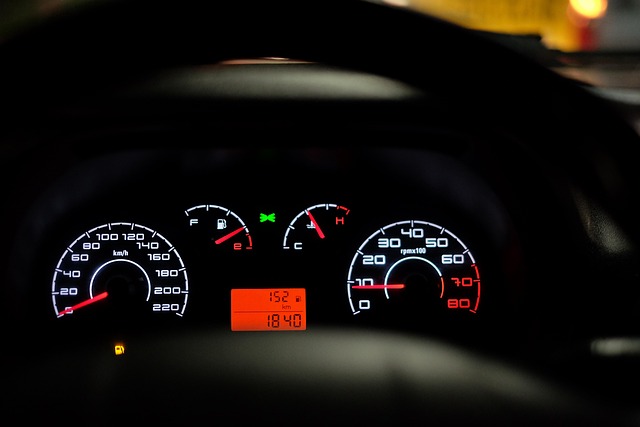
Before registering your car in California, conducting a DMV VIN verification is a crucial step to ensure you have a complete and accurate picture of the vehicle’s history. This process involves checking the Vehicle Identification Number (VIN) against state records to confirm its authenticity and previous ownership. It’s essential to address any discrepancies or potential red flags early in the registration process to avoid future legal complications.
The California Department of Motor Vehicles (DMV) offers various methods for VIN verification, including both in-person and mobile vin inspection services. One practical option is to utilize a mobile vin verifier, which allows you to conduct the check from the convenience of your location. This technology enables users to input their VIN into an app or platform that connects with the DMV database, providing instant access to detailed vehicle history information. For instance, the California DMV’s online system offers a “Check a Vehicle’s History” feature, where users can verify not only the VIN but also recall notices and safety inspection records.
By employing these mobile vin inspection tools, you gain valuable insights into the car’s past, such as accident reports, odometer readings, and previous title transfers. This data is vital for identifying potential issues like undisclosed damage or mileage manipulation. According to a 2021 survey by the National Automobile Dealers Association (NADA), over 90% of consumers found mobile vin verification services helpful in making informed purchasing decisions. Therefore, taking this proactive step can save you from unforeseen problems and ensure a smooth registration process for your vehicle in California.
Pay Registration Fees: Cost and Payment Methods

Registering a car in California involves several steps, and one of the crucial aspects is paying the registration fees. The cost can vary depending on factors such as the age of your vehicle and whether it’s new or used. As of recent updates, the base fee for registering a vehicle typically ranges from $50 to $200. This base fee includes the California Vehicle Registration Fee, which covers state-mandated services like road maintenance and safety inspections. It’s important to note that additional fees may apply based on your vehicle’s emissions level, as well as any outstanding taxes or fines associated with the previous owner.
DMV (Department of Motor Vehicles) vin verification is a critical part of the registration process. You’ll need to provide accurate information about your vehicle’s identification number (VIN), which can be easily verified through a mobile VIN verification service. These services, often provided by third-party apps or platforms, allow you to input your VIN and instantly receive detailed vehicle history information. This includes previous owners, accident reports, and maintenance records. Examples of reputable mobile VIN verifiers include Carfax and AutoCheck, which offer both free and paid options for a more comprehensive report.
Payment methods accepted by the DMV vary but typically include cash, major credit cards, and debit cards. Some counties in California may also accept checks, although it’s advisable to check with your local DMV branch for specific policies. When paying online through the DMV’s official website, you can expect a secure and streamlined process that often includes step-by-step instructions. Mobile VIN inspection services are another convenient option, as they allow you to complete both the verification and payment processes from the comfort of your home or on the go. This is particularly useful for busy individuals who prefer a hassle-free experience.
Before proceeding with registration, ensure that all documentation is in order. This includes proof of ownership, vehicle title (if applicable), and any necessary forms filled out accurately. By understanding these fee structures and utilizing available tools like mobile VIN verifiers, you can navigate the registration process more smoothly. Remember to always verify the latest fees and requirements directly with your local DMV branch for the most accurate information.
Finalize Car Registration: Pick Up Your License Plate

After completing the initial registration process at the California DMV, including providing necessary documents and passing inspections, the next crucial step is to finalize your car’s registration by picking up your license plate. This final act signifies that your vehicle is officially recognized and permitted to use California’s roads. To streamline this process, many residents opt for a mobile VIN inspection or mobile vin verifier to ensure a swift and hassle-free experience.
To obtain your license plates, visit any local California DMV office during their operational hours. Bring with you the required documents, such as your registration form, vehicle title, and identification. An inspector will verify your information and conduct a final dmv vin verification to confirm the accuracy of the vehicle’s data. This step is essential to maintain the integrity of California’s vehicle registration system. Once all details are confirmed, the DMV will issue your license plates, typically displayed on metal or plastic signs with distinctive designs unique to each region.
Consider scheduling your visit during off-peak hours to avoid long queues. Additionally, some counties in California offer online platforms that allow you to track and manage your vehicle registration, including plate issuance. Utilizing these digital tools can save time and provide a more convenient experience. Remember, having valid license plates is not only a legal requirement but also ensures your vehicle’s safety and roadworthiness while driving within the state of California.
By meticulously preparing required documents, following a structured approach during your California DMV visit, conducting crucial DMV VIN verification to ensure a transparent vehicle history, and securely paying registration fees, you streamline the car registration process. Finalizing with the acquisition of your license plate marks a significant milestone. This comprehensive guide empowers you with the knowledge to navigate each step confidently, ensuring a seamless and legally compliant car registration experience in California.