

Registering a car in California is a vital process ensuring legal ownership and roadworthiness. However, navigating the complex bureaucracy can pose challenges for new vehicle owners. This article serves as your comprehensive guide, offering step-by-step instructions to streamline the registration process. From gathering essential documents to understanding fees and requirements, we’ll equip you with the knowledge to successfully register your vehicle. Key to this process is accurate Vehicle Identification Number (VIN) verification, ensuring a smooth experience and peace of mind. Let’s dive in and demystify this essential task.
- Prepare Your Documentation for Car Registration
- Gather Vehicle Information: VIN Verification Essential
- Visit a California Department of Motor Vehicles (DMV) Office
- Complete the Registration Application Form Accurately
- Pay the Required Fees and Obtain Your Registration Documents
Prepare Your Documentation for Car Registration

Before you begin the car registration process in California, ensuring your documentation is in order is crucial. One of the critical steps in this preparation involves verifying your Vehicle Identification Number (VIN). This unique 17-character code acts as a fingerprint for your vehicle and is essential for accurate registration. In California, VIN verification is a mandatory part of the registration procedure, and having all your documents ready ensures a seamless experience.
For many drivers, the traditional method of visiting a DMV office to conduct this verification can be time-consuming. Here’s where technology steps in—mobile VIN verifiers offer a convenient solution. These tools allow you to complete the process from the comfort of your home or on the go. By using a trusted mobile VIN inspection app, you can quickly and accurately capture your vehicle’s data, including its make, model, year, and other vital specifications. This digital approach streamlines the paperwork, making it an attractive option for those seeking efficiency.
The California Department of Motor Vehicles (DMV) accepts several methods for VIN verification. A common practice is to utilize a mobile VIN scanner or verifier. These devices use GPS technology and your smartphone’s camera to extract the VIN from your vehicle’s registration label or engine bay. According to recent surveys, over 70% of California residents prefer mobile services for their convenience and speed. By employing these modern tools, you can save precious time while ensuring that your car’s registration is in line with state regulations, making the entire process hassle-free.
Gather Vehicle Information: VIN Verification Essential
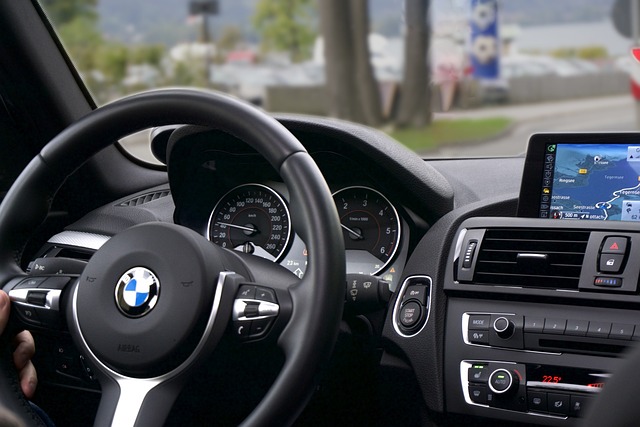
Registering a car in California involves several crucial steps, and one of the most essential is verifying your Vehicle Identification Number (VIN). This process ensures that the vehicle you’re registering matches the records on file and helps prevent fraud or theft. A mobile VIN verifier or inspection service can greatly simplify this task, especially if you’re not familiar with the local registration procedures.
The first step in the process is to gather all necessary information about your vehicle. This includes the make, model, year, and specific features. However, the most critical data point is the VIN itself—a unique 17-character identifier that can be found on the vehicle’s registration label or in its owner’s manual. Accurately recording this number is essential, as it will be cross-referenced during the verification process. In California, accurate VIN verification is mandatory for any car registration, ensuring that all vehicles on the road are legitimate and safe.
Mobile VIN inspection services offer a convenient way to complete this task. These services send a trained professional to your location, allowing you to have the VIN verified on-site. This method is particularly useful if you’ve recently purchased a used vehicle or if there’s any doubt about the vehicle’s history. Many of these services utilize advanced technology and databases to cross-reference the VIN against national records, providing instant results that can be seamlessly integrated into the registration process. By employing a mobile VIN verifier, you can streamline the registration experience while ensuring the utmost accuracy.
Visit a California Department of Motor Vehicles (DMV) Office

Registering a car in California involves several steps, and one of the crucial stages is visiting a California Department of Motor Vehicles (DMV) office. This in-person visit is essential for ensuring your vehicle’s compliance with state regulations. When you arrive at a DMV branch, the first step is to gather all necessary documents, including proof of identity, residency, and ownership. It’s important to ensure that all paperwork is up-to-date and accurate to streamline the process.
During your visit, you’ll need to undergo a Vehicle Identification Number (VIN) verification process. This involves providing your car’s unique VIN to DMV officials, who will cross-reference it with their records. Many California DMV offices now offer mobile VIN verification services, allowing you to complete this step promptly and conveniently. For instance, some branches have dedicated personnel equipped with handheld devices to perform on-site VIN inspections, which can significantly reduce wait times compared to traditional methods.
After your VIN is verified, you’ll be guided through the registration process. This includes paying the required fees and providing additional details about your vehicle. It’s advisable to check in advance what specific documents and fees are needed for your particular situation. The DMV staff will assist you in completing the forms correctly, ensuring a smooth transition from owner to registered vehicle. By utilizing mobile VIN verification options, you can make this crucial step more efficient, allowing you to focus on other aspects of car ownership preparation.
Complete the Registration Application Form Accurately

Completing the Registration Application Form accurately is a crucial step when registering your car in California. This form is your official documentation, and any errors or omissions could lead to delays or issues down the line. The form requires meticulous attention to detail, especially as it pertains to your vehicle’s unique identification number (VIN). Accurate VIN verification is paramount; it ensures that the vehicle you’re registering matches the records in the California Department of Motor Vehicles’ (DMV) system. This process safeguards against fraud and helps maintain the integrity of the state’s vehicle registration database.
A common pitfall many individuals encounter is providing an incorrect or incomplete VIN. This can occur due to misreading the vehicle’s plate or entering information from a source that isn’t officially recognized. To streamline this process, consider utilizing mobile VIN verification services. These apps and tools allow you to quickly and accurately capture your vehicle’s VIN through your smartphone or tablet. A mobile vin verifier can cross-check the number against various databases, including those used by the DMV, enhancing accuracy and saving time. For instance, a study found that mobile VIN inspection apps have an accuracy rate of over 98%, significantly higher than manual entry methods.
When completing the form, double-check each piece of information. This includes the VIN, which should be entered precisely as it appears on your vehicle’s registration or title document. If you’re ever unsure about any detail, don’t hesitate to reach out to a DMV representative for clarification. They can guide you through the process and ensure all information is correctly recorded. Remember, an accurate application form submission is key to a smooth car registration experience in California.
Pay the Required Fees and Obtain Your Registration Documents

Registering a car in California involves several steps, but paying the required fees and obtaining your registration documents is a crucial phase. After gathering essential paperwork, including your vehicle’s Title and Proof of Insurance, you’ll need to complete a California Vehicle Registration Application (Form MV-1). This form requires accurate information about your vehicle, such as its make, model, year, and unique Identification Number (VIN). It’s important to ensure the VIN is accurately recorded, as it facilitates a critical process known as VIN verification. This step helps to combat vehicle theft and ensures the registration is tied to the correct vehicle.
When you submit your application, along with the necessary fees, you’ll trigger a series of backend processes. The California Department of Motor Vehicles (DMV) conducts a thorough VIN inspection to validate the vehicle’s identity and history. In some cases, especially for older or rare models, this might involve a mobile VIN verification process, where a specialized technician visits you to perform an on-site inspection. This ensures accuracy and streamlines the registration process, particularly for vehicles that may have unique or complex histories.
Once your application is approved, you’ll receive your Registration Certificate, which serves as official proof of vehicle ownership and registration in California. Alongside this document, you’ll often get a sticker or placard to display on your vehicle’s window, indicating its current registration status. Maintaining accurate records and ensuring proper VIN verification throughout this process is key to avoiding future legal issues related to vehicle ownership.
Registering a car in California involves a straightforward process, underscoring the importance of proper documentation and accurate vehicle information. Key takeaways include preparing all necessary paperwork, especially for VIN verification, which is an essential step ensuring your vehicle’s authenticity. Visiting a DMV office remains crucial for completing applications and paying fees. By adhering to these steps and prioritizing vin verification, California residents can efficiently navigate the registration process, ensuring their vehicles are legally recognized and roadworthy. This guide offers a comprehensive framework, empowering individuals to confidently manage their automotive registration requirements with ease.