

Registering a car in California is a vital process ensuring vehicle ownership rights and road safety. However, navigating the bureaucratic maze can be daunting for new owners. This comprehensive guide aims to demystify the procedure, offering step-by-step instructions to ensure a seamless experience. From gathering essential documents to understanding fees and, importantly, the crucial role of VIN verification in confirming vehicle identity, we cover it all. By the end, you’ll be equipped with the knowledge to register your vehicle confidently, ensuring a smooth transition into California’s automotive landscape.
- Prepare Necessary Documents for Car Registration
- Understand California's Vehicle Identification Number (VIN) Verification Process
- Gather Vehicle Information and Proof of Insurance
- Visit a California Department of Motor Vehicles (DMV) Office or Use Online Services
- Complete the Registration and Pay Required Fees
Prepare Necessary Documents for Car Registration

Before you can register your car in California, you’ll need to gather essential documents. This process is crucial for ensuring a smooth transition from ownership to official registration. Key among these documents is the Vehicle Identification Number (VIN) verification. The VIN is a unique code that identifies your vehicle’s make, model, and year; it’s akin to a fingerprint for cars. In California, VIN verification is typically done by utilizing a mobile VIN verifier or conducting a mobile VIN inspection, which can be arranged through designated services.
For instance, many online platforms now offer remote VIN checks, allowing you to enter your VIN and receive instant information about the vehicle’s history—a crucial step in identifying potential issues or undisclosed damage. It’s also wise to bring along proof of insurance and a valid driver’s license when visiting the California Department of Motor Vehicles (DMV) office. If you’re registering a car that’s been imported, additional documentation like an Import Certificate of Conformity might be necessary.
Furthermore, don’t forget to collect any owner history documents, which can include previous registration records or bills of sale, especially if the vehicle has had multiple owners. These documents not only streamline the registration process but also serve as a record of ownership transfer, enhancing transparency and accountability. Always keep your VIN verification records safe; you’ll likely need them for future reference or when selling your vehicle.
Understand California's Vehicle Identification Number (VIN) Verification Process

California’s Vehicle Identification Number (VIN) verification process is a critical step in the car registration procedure, ensuring vehicle authenticity and compliance with state regulations. Every vehicle registered in California must undergo this rigorous inspection to verify its history and condition. This process involves a comprehensive check of the VIN, which serves as a unique identifier for every car, truck, or SUV. A key component of this verification is the use of advanced mobile VIN verifiers that offer on-site inspections, streamlining the registration process for both consumers and dealerships.
When you’re preparing to register your vehicle in California, understanding the VIN verification procedure can save you time and potential headaches. The state’s Department of Motor Vehicles (DMV) employs trained professionals who use specialized equipment to cross-reference the VIN with databases containing information on previous ownership, accident history, and reported thefts. This thorough inspection aims to detect any discrepancies or potential fraud. For instance, a mobile VIN verifier can be used to perform this inspection at your location, whether it’s at a dealership or your personal address, making the process more convenient. These verifiers provide instant feedback, allowing for quick resolution of any issues before final registration.
A common misconception is that all vehicles require the same level of scrutiny. However, factors such as age and previous ownership can influence the rigor of the VIN inspection. Older vehicles or those with a history of ownership changes may demand additional documentation and more detailed verification. It’s advisable to be prepared with relevant records during your visit to a DMV field office or while awaiting a mobile VIN inspection. This proactive approach ensures a smoother registration process and demonstrates your commitment to compliance.
Gather Vehicle Information and Proof of Insurance
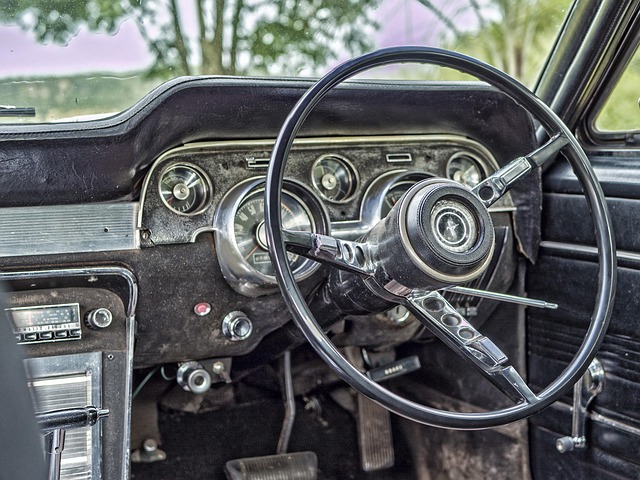
Before you register your car in California, it’s crucial to gather essential information about your vehicle and proof of insurance. This process begins with verifying your Vehicle Identification Number (VIN). The VIN is a unique 17-character code that acts as a fingerprint for your car, making it critical for accurate registration. Many Californians opt for convenient mobile VIN inspection or verification services, allowing them to complete this step from the comfort of their homes. By inputting your VIN into an online database, these services can provide instant information about your vehicle’s make, model, year, and potential history.
In addition to your VIN, you’ll need specific documentation to prove insurance coverage. This typically includes a copy of your insurance policy declaration page, which details the type and extent of your coverage. Some insurance companies offer digital or mobile options for accessing this information, making it readily available for the registration process. Keep in mind that California law requires minimum liability insurance limits of $50,000 for bodily injury to one person, $100,000 for all persons injured in an accident, and $25,000 for property damage.
Proof of ownership is another vital document. You’ll likely have a title or registration certificate from a previous state if you’ve recently purchased the vehicle. Ensure these documents are up to date and accurately reflect your information. If you’re still in the process of transferring ownership, some counties in California offer online services for issuing temporary registration certificates while waiting for official title documentation.
Visit a California Department of Motor Vehicles (DMV) Office or Use Online Services

Registering a car in California involves several steps, but visiting or using services from the California Department of Motor Vehicles (DMV) can streamline the process significantly. One crucial step in the registration procedure is vin verification, ensuring that the Vehicle Identification Number (VIN) is legitimate and matches the vehicle’s characteristics. This can be done through two primary methods: visiting a local DMV office or utilizing online services, offering convenience and efficiency to California residents.
When choosing to visit a DMV office, it’s advisable to schedule an appointment in advance to avoid long queues. At the DMV, you’ll need to provide essential documents like the title, registration application, proof of insurance, and a valid driver’s license. An inspector will conduct a thorough inspection, including VIN verification, ensuring that all details are accurate and matching. Some offices also offer mobile vin verification services, where an inspector can come to your location for added convenience, especially for those with busy schedules or accessibility concerns. This method provides immediate feedback, allowing you to resolve any issues on-site.
Alternatively, the DMV’s online platform enables users to register their vehicles and complete VIN verifications remotely. You’ll input your vehicle’s information, including the VIN, which is cross-referenced against state databases for validation. Online services are particularly useful during peak hours or for those who prefer digital convenience. The accuracy of mobile vin inspection and online verifications is assured through advanced data matching and security protocols, ensuring that your vehicle’s registration process remains legitimate and efficient.
Complete the Registration and Pay Required Fees

By meticulously preparing the required documents, understanding the state’s stringent VIN verification process, and gathering essential vehicle and insurance information, you can smoothly navigate the car registration process in California. Whether visiting a DMV office or utilizing online services, completing the registration is straightforward yet crucial for legal roadworthiness. Remember, proper vin verification is a cornerstone of this process, ensuring your vehicle complies with California’s standards before hitting the open road.