

Registering a car in California is a vital step for any new owner, ensuring legal compliance and protecting your investment. However, navigating the process can be confusing, with numerous requirements and potential pitfalls. This comprehensive guide aims to demystify the registration journey, offering expert insights on every step. From gathering essential documents to understanding fee structures, we’ll walk you through the entire process, emphasizing the critical role of Vehicle Identification Number (VIN) verification for accuracy and security. By the end, you’ll be equipped with the knowledge to register your vehicle seamlessly in the Golden State.
- Prepare Necessary Documents for Car Registration
- Locate Your Vehicle's Unique VIN Number
- Gather Information from Car Seller (if applicable)
- Verify VIN Through Official California Channels
- Complete Online or In-Person Car Registration Process
Prepare Necessary Documents for Car Registration

Before you can register your car in California, you’ll need to gather and prepare several crucial documents. At the heart of this process is the Vehicle Identification Number (VIN) verification, a critical step that ensures the authenticity and legality of your vehicle. This involves conducting a thorough VIN inspection, which can be efficiently accomplished with the aid of modern tools like mobile VIN verifiers.
A mobile VIN verifier allows for convenient and accurate VIN checking right from your smartphone or tablet. These devices use advanced technology to cross-reference your vehicle’s unique VIN against vast databases, providing instant validation and peace of mind. For instance, many mobile apps offer real-time updates on a car’s history, including any reported accidents, outstanding loans, or recall issues. By leveraging such tools, California residents can streamline the registration process, ensuring their vehicles meet all legal requirements before submitting their applications.
In addition to the VIN verification report, you’ll need to assemble other essential documents. These typically include proof of ownership (such as a title document), a valid driver’s license, and current vehicle insurance coverage. It’s also recommended to bring along any relevant repair or service records, especially if your car is older or has undergone significant modifications. Properly preparing these documents beforehand significantly reduces the likelihood of delays during the registration process at the California Department of Motor Vehicles (DMV).
Locate Your Vehicle's Unique VIN Number

Locating your vehicle’s unique Vehicle Identification Number (VIN) is a crucial first step in registering your car in California. This 17-character code serves as a fingerprint for your vehicle, providing vital information about its make, model, year, and manufacturing details. Accurate VIN verification is essential during the registration process, ensuring that the vehicle matches the reported information and minimizing the risk of fraud or identity theft.
In California, you can obtain your VIN from various sources. The most direct method is to check the driver’s side door jamb where it meets the body panel—this is a standard location for displaying the VIN. Alternatively, consult your vehicle’s owner’s manual, which should also feature this critical number. If you’re dealing with an older or restored vehicle, consider using a mobile VIN verifier or performing a mobile VIN verification through online tools that leverage GPS and imaging technology to pull up detailed vehicle history reports. These digital solutions can be particularly helpful when the VIN is obscured or hard to read.
Once you’ve located your VIN, ensure its accuracy by cross-referencing it with official databases. The California Department of Motor Vehicles (DMV) offers several methods for vin verification, including online search tools and dedicated phone lines. Using these resources, you can confirm that the VIN is associated with a valid vehicle registration and that there are no outstanding issues or recalls linked to it. This step-by-step process ensures a smooth car registration experience in California, preserving your investment’s integrity and protecting your rights as a vehicle owner.
Gather Information from Car Seller (if applicable)

Before registering your car in California, gathering crucial information from the seller is a critical step in the process. This exchange ensures you have all the necessary data for a smooth registration, including the vehicle’s Vehicle Identification Number (VIN). The VIN is a unique code that identifies your car and is essential for various procedures, including vin inspection and verification. Requesting this information upfront can save time and potential headaches later on.
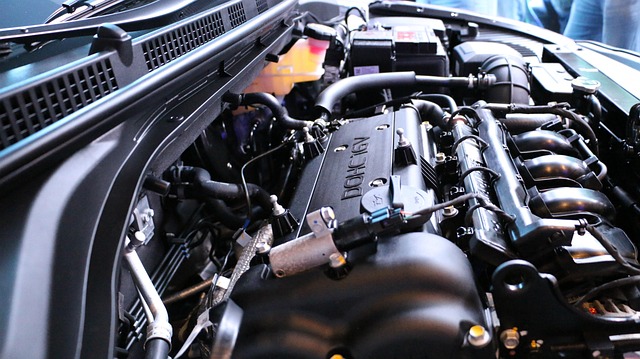
When dealing with a private seller, they should be able to provide you with the vehicle’s history, maintenance records, and current registration details if applicable. The VIN, typically located on the vehicle’s license plate or in its engine compartment, is a 17-character code that serves as a digital fingerprint for your car. It’s vital to ensure the VIN matches the make, model, and year of the vehicle to avoid any discrepancies during official inspections, where a mobile VIN inspection or verifier might be used to cross-reference these details.
For instance, in California, the Department of Motor Vehicles (DMV) conducts thorough checks on all registration applications, employing advanced systems like mobile VIN inspection tools to verify vehicle history. These verifiers can quickly scan and validate the VIN, providing peace of mind that the car’s identity is authentic. By proactively gathering this data, you streamline the registration process, ensuring a quicker turnaround time with minimal back-and-forth communication between you, the seller, and the DMV.
Verify VIN Through Official California Channels
To ensure your car’s registration goes smoothly in California, verifying the Vehicle Identification Number (VIN) through official channels is a crucial step that cannot be overlooked. The VIN is a unique code that serves as a fingerprint for your vehicle, and accurate record-keeping is vital to maintaining ownership rights and safety standards. In California, this process typically involves utilizing the state’s Department of Motor Vehicles (DMV) services, which offer both in-person and mobile vin verification methods.
For instance, many Californians opt for a mobile vin inspection service, which allows them to have their vehicle’s VIN verified remotely. This approach is particularly convenient for busy individuals or those who prefer not to visit a DMV office. A reputable mobile vin verifier will access the vehicle’s data through secure online databases, ensuring the information matches what’s on file with the DMV. This method is efficient and can often be completed in less time than an in-person visit. Moreover, some services provide immediate results, giving you peace of mind that your car’s registration is on track.
However, it’s essential to use trusted and official channels for VIN verification. The California DMV offers a reliable platform for this purpose, where you can cross-reference the provided VIN with their records. This dual-check ensures accuracy and prevents potential issues related to vehicle identity fraud. Remember, maintaining proper documentation and utilizing efficient verification methods like mobile vin inspection services are key to navigating the car registration process seamlessly in California.
Complete Online or In-Person Car Registration Process

Registering a car in California involves either completing an online or in-person process, both designed to ensure compliance with state regulations while verifying vehicle authenticity through a crucial step known as VIN verification. The Vehicle Identification Number (VIN) is a unique code that serves as a fingerprint for each vehicle, and its inspection plays a vital role in the registration procedure. When considering methods like mobile VIN inspection or using a mobile VIN verifier, keep in mind that these services streamline the process by offering convenience and swiftness, especially when compared to traditional in-person visits.
For online registration, you’ll first need to gather essential documents, such as proof of ownership, vehicle identification number (VIN) from your car’s label or title, valid driver’s license, and current registration if transferring from another state. After inputting the required details on the California Department of Motor Vehicles (DMV) website, a unique transaction ID will be generated for tracking purposes. The next step involves scheduling a VIN inspection, which can often be done through a network of certified inspectors or even mobile VIN services that come to your location, providing convenience and saving time. During this inspection, the inspector will cross-reference your car’s VIN with their databases to ensure it matches the records and isn’t reported as stolen or has any other issues.
In contrast, in-person registration requires visiting a local DMV field office, where you’ll follow similar steps but without the online preliminaries. Here, staff can assist with document verification and the VIN inspection process. The advantage of this method lies in immediate feedback and the ability to resolve any issues on the spot, ensuring a smoother transition to registered vehicle ownership. However, it’s worth noting that in-person visits often involve longer wait times compared to their digital counterparts.
Registering a car in California involves a straightforward process, beginning with gathering essential documents and verifying your vehicle’s unique VIN. It is crucial to prepare these materials accurately, including proof of ownership, registration fees, and your driver’s license. When purchasing a car, ensure you obtain all necessary information from the seller, particularly the VIN, which can be cross-referenced through official California channels for verification. Whether completing the process online or in person, following these steps ensures a smooth registration experience. Always prioritize thorough VIN verification to maintain compliance with state regulations and safeguard against potential issues in the future.