

Looking to register your car in California? This guide walks you through the process step-by-step. From understanding essential requirements and gathering needed documents to performing a DMV VIN verifier check, we’ve got you covered. Learn how to pay registration fees and receive your plates efficiently. Simplify the process with our clear instructions and ensure your vehicle complies with California’s regulations.
- Understand California Vehicle Registration Requirements
- Gather Necessary Documents for Car Registration
- Visit a DMV Office or Use Online Services for Registration
- Perform a Vehicle Identification Number (VIN) Verification
- Pay Registration Fees and Receive Your Plate
Understand California Vehicle Registration Requirements

Before registering your vehicle in California, it’s crucial to understand the state’s specific requirements for vehicle registration. The California Department of Motor Vehicles (DMV) mandates several steps and documents to ensure proper vehicle identification and ownership verification. One critical aspect is the accurate and up-to-date Vehicle Identification Number (VIN) inspection. This unique 17-character code serves as a fingerprint for your car, enabling efficient tracking and verification processes.
To streamline the registration process, consider utilizing a mobile VIN verifier. These services allow you to securely and conveniently obtain detailed vehicle information, including the VIN, make, model, year, and historical ownership data. By employing a mobile VIN inspection tool, you can proactively ensure your car’s registration complies with California’s stringent requirements, making the overall registration experience faster and less fraught with paperwork.
Gather Necessary Documents for Car Registration
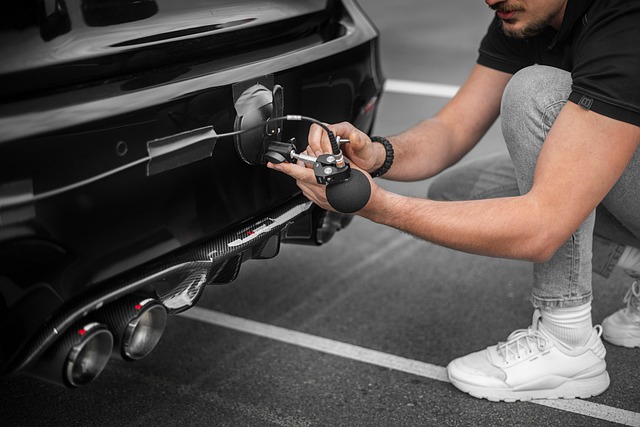
Before you start the registration process, it’s crucial to gather all the essential documents for car registration in California. One vital tool that will aid this process is a DMV VIN verifier, which allows you to quickly and easily check your vehicle’s history and ensure there are no outstanding issues. Start by collecting your vehicle’s Registration Certificate (if previously registered), or if purchasing a used car, obtain the previous owner’s documents. Additionally, a valid driver’s license, proof of insurance, and a completed application form from the DMV (DMV Form 140) are required.
Don’t forget to have your vehicle’s Vehicle Identification Number (VIN) readily available as well, which can be obtained through a mobile VIN verification or inspection if needed. This number is unique to each car and plays a significant role in the registration process. Ensure all documents are accurate and up-to-date to streamline your trip to the DMV and successfully register your vehicle in California.
Visit a DMV Office or Use Online Services for Registration

You have two main options when it comes to registering your car in California: visit a DMV office or use online services. If you opt for the former, be prepared to queue up and present essential documents like proof of ownership, insurance, and identification. A DMV staff member will guide you through the process, which includes entering your vehicle’s information into their system and performing a vehicle history report using the car’s unique Vehicle Identification Number (VIN).
For a more convenient approach, leverage California’s online registration platform. You’ll still need to provide similar documents, but now you can do it from the comfort of home. Utilize the DMV’s VIN verifier tool to ensure your vehicle’s history checks out before submitting your application. Plus, you may opt for a mobile vin inspection if preferred, where a professional comes to you to complete the necessary verifications.
Perform a Vehicle Identification Number (VIN) Verification

Before registering your car in California, performing a Vehicle Identification Number (VIN) verification is crucial. This process involves cross-referencing the unique VIN with reputable databases to ensure the vehicle’s history aligns with what the seller claims. Many online tools and services, including mobile vin verifier apps, can perform this inspection quickly and efficiently. By using these resources, you can get a detailed report on the car’s past, including any accidents, outstanding loans, or other issues that might affect its registration.
A mobile vin inspection is particularly convenient for buyers who want to make an informed decision before finalizing the purchase. In California, where DMV procedures can be time-consuming, having a clean bill of health for your prospective vehicle is essential. This verification step not only protects you from potential scams but also ensures that you’re making a safe and smart investment.
Pay Registration Fees and Receive Your Plate

After completing your vehicle’s registration application at the California DMV, it’s time to pay the registration fees. These fees vary based on several factors, such as the type and age of your vehicle. Once the payment is processed, the DMV will issue a registration certificate and a license plate. The license plate, typically featuring your unique Vehicle Identification Number (VIN), needs to be displayed on your car for official purposes.
To ensure a smooth process, many residents opt for a mobile VIN inspection or verification service. This allows them to confirm their vehicle’s history and identify any potential issues before committing to the registration. By utilizing these modern tools, such as a mobile VIN inspection, you can save time and make informed decisions during the car registration process in California.
Registering a car in California is a straightforward process that involves understanding specific requirements, gathering essential documents, and completing necessary steps. By following these guidelines, including using a reliable DMV VIN verifier, you can ensure a smooth registration experience. Remember to keep your documents organized and up-to-date for future reference. Once registered, enjoy the road ahead with peace of mind!