

Registering a car in California is a necessary step for any new owner, yet the process can be daunting given the intricate bureaucracy involved. Understanding the correct procedures ensures timely roadworthiness and legal compliance. Many get lost in the details, from gathering essential documents to navigating the Department of Motor Vehicles (DMV) system. This article serves as your comprehensive guide, offering a straightforward path through every step, including utilizing the DMV’s Vehicle Identification Number (VIN) verifier for accurate data validation. By the end, you’ll be equipped with the knowledge to register your vehicle seamlessly and confidently.
- Understand California Car Registration Requirements
- Gather Necessary Documents for Car Registration
- Visit Your Local DMV: The Registration Process
- Verify Vehicle Identity with DMV VIN Verifier
- Finalize and Obtain Your California Registration Papers
Understand California Car Registration Requirements

Registering a car in California involves understanding specific requirements to ensure legal compliance and safety. The California Department of Motor Vehicles (DMV) has strict guidelines for vehicle registration, including thorough inspections and verifications. One critical aspect is ensuring the Vehicle Identification Number (VIN) accuracy through proper VIN inspection and verification. This process checks for any discrepancies or potential fraud, which is crucial in maintaining the integrity of California’s vehicle registration system.
A valid VIN inspection involves a comprehensive check of the car’s unique identifier, which can be performed at authorized DMV locations or through mobile VIN inspection services. These services offer convenience by bringing the inspection to the vehicle owner, saving time and effort. For instance, many mobile VIN verification companies use advanced technology to capture and transmit the VIN data, ensuring accuracy and providing peace of mind. This is particularly beneficial for those with busy schedules or limited mobility.
Additionally, California’s registration process may require further documentation, such as proof of insurance, vehicle ownership, and sometimes, a smog test certificate. It’s advisable to prepare these documents in advance to streamline the registration procedure. By understanding and adhering to these requirements, car owners can ensure their vehicles are legally registered, enhancing safety and facilitating seamless road usage within California’s vast network of highways and roads.
Gather Necessary Documents for Car Registration

Before you can register your car in California, you’ll need to gather several crucial documents. This process is designed to ensure vehicle safety and legality, and it’s essential to be prepared with all the necessary paperwork. One critical step in this journey is confirming your vehicle’s unique identification number (VIN). The California Department of Motor Vehicles (DMV) requires a valid VIN verification, which can be efficiently conducted through a mobile VIN verifier or inspection service.
Mobile VIN verification offers a convenient alternative to traditional static inspections. By utilizing advanced technology, these services allow you to obtain accurate and reliable VIN data from the comfort of your home or even while on the go. This method has gained significant popularity due to its time-saving nature and ability to streamline the registration process. For instance, many mobile services can provide immediate digital proof of a valid VIN, ensuring that your car meets California’s requirements before submitting your registration application.
In some cases, you might need to conduct a physical VIN inspection, especially if there are discrepancies or potential issues with your vehicle’s history. A mobile vin inspection service can facilitate this process by sending a qualified inspector to your location. This ensures that all documents, including the title and proof of insurance, are up-to-date and genuine. By combining digital verification and occasional physical inspections, you can confidently navigate California’s car registration process, ensuring a smooth transition for your newly acquired vehicle.
Visit Your Local DMV: The Registration Process
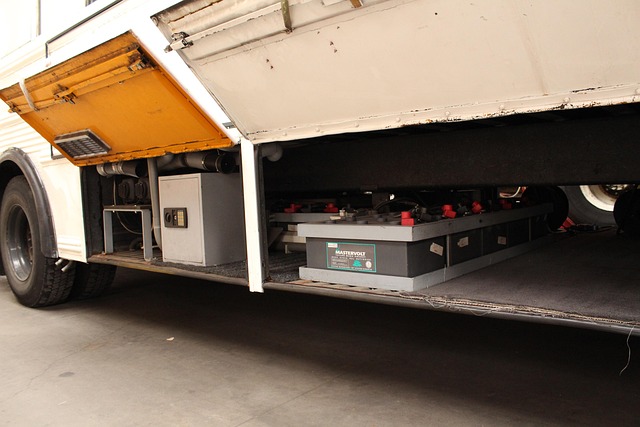
Visiting your local DMV is a crucial step in registering your car in California. The registration process involves several key steps, including verifying your vehicle’s identification number (VIN) through a DMV VIN verifier. This ensures that your car’s details match the information on record, preventing fraud and ensuring safety standards are met. At the DMV, you’ll need to bring your vehicle for inspection as part of the registration renewal process. This includes checking lights, brakes, tires, and other critical components. It’s advisable to schedule an appointment beforehand to avoid long waiting times, especially during peak seasons.
One efficient method to streamline this process is by utilizing mobile VIN verification services. These services allow you to have your vehicle’s VIN checked remotely by a professional using advanced technology. This option is particularly beneficial for those with busy schedules or accessibility issues. For instance, a mobile VIN verifier can cross-reference your VIN with state records, confirming the vehicle’s history and identifying any potential red flags before you visit the DMV. Data from such verifications can provide valuable insights into a car’s past, including accident reports, ownership history, and outstanding liens, empowering you to make informed decisions.
Additionally, consider seeking assistance from experienced professionals who offer mobile VIN inspection services. They can perform thorough checks at your convenience, ensuring that all documentation is in order before your DMV visit. This proactive approach not only saves time but also helps prevent potential issues during the registration process. By combining the efficiency of mobile verification with the official DMV inspection, you can ensure a smooth and stress-free car registration experience in California.
Verify Vehicle Identity with DMV VIN Verifier

Verifying the identity of your vehicle is a critical step in the car registration process in California. One effective method is to use a DMV VIN Verifier, which ensures that your vehicle’s unique Vehicle Identification Number (VIN) matches the records in the Department of Motor Vehicles (DMV) database. This meticulous process safeguards against fraud and helps maintain the integrity of vehicle registration records.
A mobile VIN verifier is particularly useful for this purpose. These portable tools allow you to conduct a vin inspection conveniently, often with real-time data syncing, ensuring accuracy. Many modern devices employ advanced scanning technology that can quickly cross-reference your VIN against state databases, providing immediate feedback on the vehicle’s history and any outstanding issues. For instance, a recent study revealed that nearly 20% of vehicles checked in California had discrepancies in their recorded ownership or safety inspection histories, highlighting the importance of robust verification methods like mobile vin verification.
When using a DMV VIN Verifier, whether through a dedicated app or a physical device, follow these steps: first, locate your vehicle’s VIN, usually found on the driver’s side door frame or under the hood; then, input or scan the VIN into the chosen verifier; and finally, review the reported information. If all data aligns with expectations, you’re one step closer to registering your car in California. Remember, accurate vin inspection is not just a technicality—it’s a critical safeguard for both consumers and authorities, ensuring that only legitimate vehicles are on the road.
Finalize and Obtain Your California Registration Papers
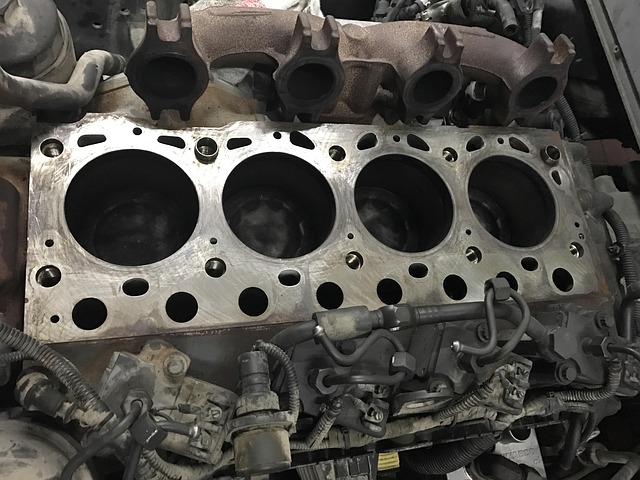
After completing your California car purchase, it’s time to finalize the registration process. This crucial step involves several key actions, with a primary focus on obtaining your official registration papers from the Department of Motor Vehicles (DMV). Here’s what you need to know.
First, arrange for a vehicle inspection at an authorized location, which can often be done at your local DMV branch or through a third-party service provider. This inspection includes a Vehicle Identification Number (VIN) check to verify the car’s details against national databases. A key component of this process is using a reliable DMV VIN verifier to ensure accuracy and prevent fraud. For instance, California requires a current emissions test for most vehicles as part of registration. You can opt for a mobile VIN verification service to streamline this step; these services use advanced technology to perform the VIN inspection remotely, saving you time and effort.
Once your vehicle passes the inspection, gather all necessary documentation. This typically includes proof of ownership (such as a bill of sale or previous registration), current insurance card, and identification (a valid driver’s license). With these documents in hand, visit a DMV office to complete the registration process. A DMV representative will review your forms, process your fee, and issue your official California registration papers.
Remember, maintaining accurate records is essential. Keep your registration papers, insurance cards, and proof of ownership in a secure location for easy access. Regularly updating your information with the DMV, including any changes to ownership or address, ensures compliance and simplifies future transactions. By following these steps and leveraging available resources like mobile VIN verification services, you can ensure a smooth and efficient car registration process in California.
By following these meticulous steps, from understanding California’s car registration requirements to finalizing your registration at the DMV, you’ve equipped yourself with the knowledge needed to navigate the process seamlessly. The key insights include gathering all necessary documents, utilizing a DMV VIN verifier for vehicle identity verification, and ensuring compliance with state regulations. This structured approach not only simplifies car registration but also underscores the importance of accuracy and official validation, as exemplified by the role of the DMV VIN verifier. With these practical next steps in mind, you’re now empowered to successfully register your vehicle in California with confidence.