

Registering a car in California is more than just a bureaucratic formality—it’s a crucial step to ensure legal operation on the state’s roads. The process can be daunting, especially with evolving regulations and complex requirements. Many drivers face challenges, from gathering necessary documents to understanding fee structures. This comprehensive guide aims to demystify the registration process, empowering California residents to navigate it efficiently. We’ll detail each step, including how to use a VIN verifier to ensure vehicle authenticity, ensuring a smooth experience for even the most meticulous car owners.
- Prepare Required Documents for Car Registration in California
- Understand Vehicle Identification Number (VIN) Verification Process
- Visit a California Department of Motor Vehicles (DMV) Office
- Complete the Registration Application Form Accurately
- Pay Registration Fees and Receive Your License Plate
Prepare Required Documents for Car Registration in California

Before you can register your car in California, you’ll need to gather a series of crucial documents and ensure they’re accurate and up-to-date. This process is designed to verify vehicle ownership and history, which is essential for public safety and regulatory compliance. A key component of this preparation involves obtaining a Vehicle Identification Number (VIN) verifier, often through a mobile vin inspection or mobile vin verification service. These services allow you to capture the unique 17-character VIN code, which serves as a digital fingerprint of your vehicle, with ease and convenience.
For instance, in California, all vehicles must pass an emissions test before registration, and many counties now accept mobile vin verification as proof of identity for the vehicle’s owner. This is particularly beneficial for out-of-state buyers who might not have access to traditional car inspection facilities. Using a mobile vin verifier, such as those offered by certified apps or services, allows you to simply input the VIN into a secure platform, which then cross-references the data with reliable databases to confirm ownership and vehicle history.
In addition to the VIN verification, other essential documents include proof of insurance, a valid driver’s license, and registration from the previous state (if applicable). It’s also recommended to bring along any records related to recent maintenance or repairs, as these can help streamline the registration process. By proactively preparing these documents, you’ll ensure a smoother and faster car registration experience in California.
Understand Vehicle Identification Number (VIN) Verification Process

Registering a car in California involves several critical steps, one of which is ensuring your vehicle’s Vehicle Identification Number (VIN) is verified accurately. This process checks that your car matches its listed details and helps prevent fraud. A legitimate VIN verifier can cross-reference the unique 17-character code with manufacturer records to confirm the vehicle’s make, model, year, and even history.
For instance, a mobile VIN verification service—where a professional comes to you—can be immensely helpful. This approach saves time, as it eliminates the need to visit a DMV office or dealership. These services utilize advanced technology and databases to swiftly validate the VIN, ensuring no discrepancies exist between the recorded information and the actual vehicle. Data accuracy is paramount; an incorrect match could lead to registration delays or even legal issues down the line.
Consider seeking out reputable mobile VIN inspection providers who can offer this service. They often provide immediate results, allowing you to proceed with confidence during the car registration process in California. By combining thorough VIN verification with expert mobile inspections, you can ensure a smooth and legitimate registration experience.
Visit a California Department of Motor Vehicles (DMV) Office

Registering a car in California involves several steps, but visiting a California Department of Motor Vehicles (DMV) office is a crucial one. This is where you’ll initiate the process and ensure that your vehicle meets all legal requirements. Upon arrival at a DMV location, you’ll need to present necessary documents, including proof of ownership, identification, and insurance. The staff will guide you through each step, ensuring that your vehicle’s unique identifier—the Vehicle Identification Number (VIN)—is accurately recorded and verified. A VIN verifier or inspection is essential to confirm the vehicle’s authenticity and history, which can be done on-site using digital tools available at most DMV offices.
While traditional in-person visits are standard, California offers convenient alternatives for a smoother experience. Mobile VIN verification services allow you to check your car’s history remotely using your smartphone or computer. This innovative approach streamlines the initial registration process, especially for those with busy schedules or limited mobility. For instance, some third-party apps utilize the DMV’s database to conduct real-time VIN inspections, providing instant access to a vehicle’s maintenance records, accident reports, and potential brand/model recalls.
During your visit, don’t hesitate to ask questions about any discrepancies in the VIN inspection results or seek clarification on specific requirements. The DMV officers are trained to assist with various scenarios, from correcting minor errors to addressing complex issues related to previous ownership or vehicle modifications. Remember, a thorough and accurate VIN inspection is vital for ensuring you’re making an informed decision when purchasing a used car, as it helps reveal potential hidden costs or unforeseen issues that could impact your safety and investment.
Complete the Registration Application Form Accurately

Registering a car in California involves completing several forms, but one crucial step is ensuring your Registration Application Form (RAF) is accurate. The form requests detailed information about the vehicle, including its Vehicle Identification Number (VIN), which must be verified using reliable methods such as a mobile VIN verifier or dedicated online tools. This process guarantees that you’re providing correct data, preventing potential issues down the line.
For instance, California’s Department of Motor Vehicles (DMV) requires the VIN to match the make, model, and year of the vehicle as documented in its records. Using a mobile VIN verifier can help in this inspection by cross-referencing the number with trusted databases, ensuring accuracy one-to-one. This is particularly important considering that inaccurate VINs can lead to registration delays or even rejection. It’s advisable to double-check all information against your vehicle’s title, insurance documents, and manufacturer specifications before submission.
To streamline the process, consider using digital tools designed for mobile VIN verification. These applications offer convenient, on-the-go checks, allowing you to verify a VIN in mere minutes. This is especially beneficial for those with busy schedules or limited access to traditional VIN inspection resources. By ensuring your VIN is accurate and verified, you can navigate the registration process more efficiently, avoiding potential complications that may arise from even the smallest data error.
Pay Registration Fees and Receive Your License Plate
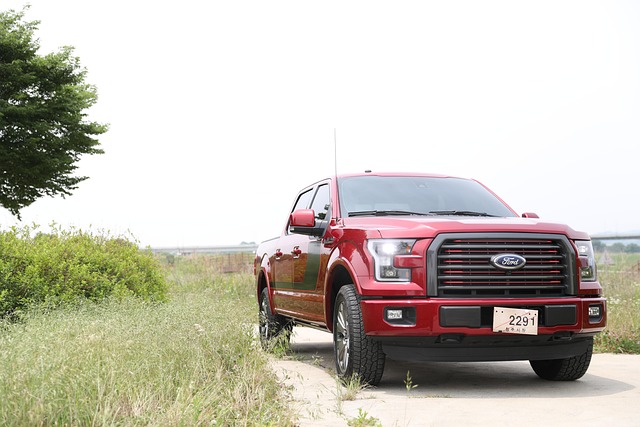
To complete the registration process in California, you’ll need to pay the required fees and obtain your vehicle’s license plate. The California Department of Motor Vehicles (DMV) outlines a straightforward procedure for this step, which includes several verification processes to ensure the car’s authenticity. One crucial aspect is utilizing a VIN verifier to conduct a VIN inspection. This involves checking the Vehicle Identification Number (VIN) to verify the vehicle’s history and ensure it complies with all necessary standards. Many customers opt for mobile VIN inspection services, which provide convenience and flexibility by coming to their location to perform the VIN verification.
The registration fees vary based on several factors, including your vehicle’s type, weight, and emission status. For example, as of recent data, the fee for a standard car ranges from $50 to $200, while heavier vehicles or those with higher emissions might incur additional charges. It’s essential to be prepared with the necessary documentation, such as proof of insurance, ownership records, and any relevant registration documents from your previous state (if applicable). Once your payment is processed and the VIN inspection is successful, the DMV will issue your license plate, which must be displayed on your vehicle at all times while operated within California.
Remember that timely renewal is crucial to avoid penalties. The DMV offers various methods for registration renewal, including online services, mail-in applications, and in-person visits. Utilizing a mobile VIN verifier can streamline this process, as it enables you to conduct the necessary inspection from the comfort of your home or office before submitting your application. By following these steps and ensuring accurate VIN verification, you’ll successfully complete the registration process for your vehicle in California.
By meticulously preparing required documents, understanding the VIN verification process with a reliable vin verifier, and efficiently navigating the California DMV office, you can seamlessly register your vehicle. Accurately completing the registration application, paying the necessary fees, and obtaining your license plate are crucial steps that ensure your car’s legal status in the state. This comprehensive guide provides a clear roadmap, empowering you to confidently take the next steps, ensuring your vehicle is properly registered and ready for California’s roads.