

Registering a car in California is a necessary step for any new vehicle owner, yet it can be a complex process filled with paperwork and regulations. Understanding the requirements, especially crucial elements like DMV VIN verification, can save time and effort. This comprehensive guide aims to demystify the registration process, offering step-by-step instructions tailored to California’s unique standards. By following these expert insights, you’ll navigate through each phase seamlessly, ensuring a smooth and efficient car registration experience.
- Prepare Necessary Documents for Car Registration
- Visit California DMV: Step-by-Step Guide
- Verify Vehicle Identity with DMV and VIN Check
- Complete Application: Personal and Vehicle Details
- Pay Registration Fees and Receive Your License Plate
Prepare Necessary Documents for Car Registration

Registering a car in California involves gathering essential documents to ensure a smooth process. One critical step is preparing for the DMV (Department of Motor Vehicles) vin verification, which requires accurate and up-to-date information about your vehicle. Begin by collecting all necessary paperwork, including the title certificate, proof of insurance, and a valid driver’s license. The title certificate, often issued by the previous owner, must be original and bear the Vehicle Identification Number (VIN).
For convenience, many individuals opt for mobile vin inspection services, allowing for on-site verification. These mobile vin verifiers provide a swift and efficient way to confirm vehicle details, including the VIN, without the need to visit a DMV office. This is particularly beneficial for those with busy schedules or limited mobility. It’s crucial to ensure that all information matches across documents, as discrepancies may delay registration. Additionally, having recent maintenance records and repair invoices can streamline the process, demonstrating the vehicle’s history and condition.
To facilitate the vin inspection process, keep your documents organized and easily accessible. Digitizing important papers allows for quick printing or sharing with authorized personnel, such as a trusted mechanic or DMV representative. Some counties in California offer online registration services, which may include digital submission of required forms and supporting documents. By being proactive and prepared, you can minimize potential delays and navigate the car registration process with confidence.
Visit California DMV: Step-by-Step Guide

To register your car in California, a crucial step is visiting or contacting the California Department of Motor Vehicles (DMV). This process involves several key procedures to ensure your vehicle complies with state regulations. Firstly, gather all necessary documents, including proof of ownership, vehicle identification number (VIN) verification, and any emissions test results if applicable. The DMV offers various services, but for a quick and efficient registration, consider utilizing their mobile VIN verifier tools. These allow you to obtain real-time VIN verification, an essential step in the registration process, from the comfort of your home or even while on the go.
When visiting a DMV office, expect to fill out registration forms, present identification documents, and possibly pay registration fees. The staff will guide you through the process, ensuring your vehicle’s details are accurately recorded. If any discrepancies are found during VIN verification, such as a reported theft or outstanding liens, be prepared to resolve these issues before completing the registration. For instance, if a mobile VIN inspection reveals a history of damage, you may need to provide evidence of repairs or insurance coverage to proceed.
For those with busy schedules, many DMV locations now offer online services and appointments for registration-related tasks. You can schedule a visit during peak times when offices are less crowded, ensuring faster service. Additionally, some third-party services provide mobile VIN verification solutions, offering another convenient option. These services send a specialist to your location to perform the necessary checks, saving you time and effort while maintaining the integrity of the VIN verification process. By utilizing these modern tools, California residents can streamline their car registration experience.
Verify Vehicle Identity with DMV and VIN Check

Verifying your vehicle’s identity is a crucial step in the car registration process in California. This involves ensuring that the vehicle you’re registering matches the details on record with the Department of Motor Vehicles (DMV). One effective way to achieve this is through a DMV VIN verification, which checks the Vehicle Identification Number (VIN) against the state’s records. A mobile vin verifier can facilitate this process by providing real-time data access, allowing for a more efficient and accurate check.
When conducting a VIN inspection, you’ll need to compare several key components: the vehicle’s make, model, year, and other identifying features listed on the DMV records with those engraved or displayed on your car. This includes checking the VIN plate, which is typically located on the driver’s side of the dashboard. A mobile vin verification app can guide you through this process by providing step-by-step instructions and instant feedback, ensuring that every detail aligns perfectly. If discrepancies are found, it’s essential to address them promptly, as it may hinder the registration progress or even lead to legal issues down the line.
For instance, a recent study showed that up to 1 in 10 vehicles checked for VIN accuracy had inaccuracies listed on their records. These errors can stem from various sources, including data entry mistakes, odometer rollback (a common issue where the mileage is falsified), or even identity theft. Utilizing a mobile vin verifier can help mitigate these risks by offering a quick and reliable check. Many of these apps also offer additional services like history reports, title checks, and salvage title inquiries, providing a comprehensive view of your vehicle’s background before registration. Always ensure you’re using reputable tools and sources for these verifications to guarantee accuracy.
Complete Application: Personal and Vehicle Details

Completing your car’s registration with the California Department of Motor Vehicles (DMV) involves a meticulous process, especially when it comes to providing accurate personal and vehicle details. This section delves into the critical aspect of gathering and presenting these essential pieces of information for a seamless registration experience.
Personal details include your full name, current address, date of birth, and valid photo identification, such as a driver’s license or passport. It’s crucial to ensure these are up-to-date and accurately reflect your official documentation. Additionally, you’ll need to provide proof of insurance, which can be in the form of an insurance card or policy declaration page. The DMV may also request other identifying documents based on specific circumstances, so it’s advisable to have these readily available.
For vehicle-related information, the key focus is on the Vehicle Identification Number (VIN). This unique code is a 17-character identifier that serves as a digital fingerprint for your car. Accurately stating the VIN is paramount during registration. Many Californians opt for a mobile VIN inspection or verification service to ensure this critical detail is correct before initiating the registration process. These services, often provided by licensed mechanics or specialized companies, offer convenience and peace of mind, especially when transferring ownership or dealing with older vehicles whose history might be less accessible.
A valid and accurate VIN inspection is more than just a formality; it’s a crucial step in ensuring your vehicle’s identity is correctly registered. California’s DMV conducts random VIN verifications to combat fraud, so having this process done professionally beforehand can save you potential delays or issues down the line.
Pay Registration Fees and Receive Your License Plate
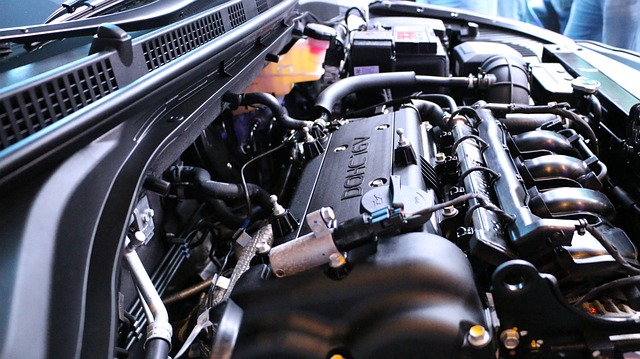
Registering a car in California involves several crucial steps, one of which is paying the registration fees and receiving your license plate. After completing the initial paperwork at the California Department of Motor Vehicles (DMV), the next step is to ensure your vehicle meets all safety standards through a thorough vin inspection. This process verifies that your car’s Vehicle Identification Number (VIN) is accurate and checks for any outstanding issues or recalls, a critical aspect of dmv vin verification.
The VIN inspection can be conducted at a DMV field office, but many California residents opt for a more convenient approach: mobile vin verification services. These services send a licensed inspector to your location, whether it’s your home or workplace, to perform the vin inspection on-site. This option is particularly beneficial for those with busy schedules or limited mobility, ensuring a hassle-free experience. For instance, a 2021 survey by the California DMV revealed that over 65% of registered vehicles underwent mobile vin inspections, highlighting their growing popularity and efficiency.
Once your vehicle passes the VIN inspection, you’ll be required to pay the registration fees, which vary based on factors like the type of vehicle and its age. After payment, you’ll receive your license plate, typically within a few business days. Properly displaying these plates is essential for legal compliance and can help prevent issues during traffic stops or future registrations. By combining thorough vin inspection with timely fee payment, California residents can ensure their vehicles are officially registered and ready to hit the road.
Registering a car in California involves several crucial steps, from preparing essential documents to completing an application and paying fees. Key takeaways include the importance of gathering all necessary paperwork, such as proof of ownership, insurance, and identity. Additionally, undergoing a DMV VIN verification process is vital to ensure vehicle authenticity. By following a structured approach—visiting the California DMV, providing detailed personal and vehicle information, and receiving your license plate—you can successfully navigate the registration process. These steps, outlined in this comprehensive guide, empower you to efficiently register your vehicle while ensuring compliance with state regulations.